
Actualités locales
Xi urges China, Central Asian countries to promote high-quality Belt and Road cooperation


ASTANA, June 17 (Xinhua) — Chinese President Xi Jinping on Tuesday called on China and Central Asian countries to promote high-quality Belt and Road cooperation and forge ahead toward the goal of building a China-Central Asia community with a shared future under the guidance of the China-Central Asia Spirit.
Xi made the remarks in his keynote speech at the second China-Central Asia Summit hosted by Kazakh President Kassym-Jomart Tokayev. Kyrgyz President Sadyr Japarov, Tajik President Emomali Rahmon, Turkmen President Serdar Berdimuhamedov and Uzbek President Shavkat Mirziyoyev also attended the summit.
Xi pointed out that during their meeting in Xi’an two years ago, they jointly outlined the Xi’an Vision for China-Central Asia cooperation. Two years on, China and Central Asian countries have further deepened and substantiated Belt and Road cooperation, he said, recalling advanced cooperation in various fields.
The core framework of the China-Central Asia mechanism is largely in place, and the consensus at the first Summit has been implemented across the board, Xi said, adding that the path of cooperation among the countries is steadily widening, and their friendship is blooming ever more brightly.
Xi stressed that the cooperation between China and Central Asian countries is rooted in more than 2,000 years of friendly exchanges, cemented by solidarity and mutual trust cultivated through more than three decades of diplomatic ties, and taken forward via openness and win-win cooperation of the new era.
Xi said building on their collective efforts over the years, the six countries have forged a China-Central Asia Spirit of « mutual respect, mutual trust, mutual benefit and mutual assistance for the joint pursuit of modernization through high-quality development. »
The spirit connotes four aspects of practices. First, Xi said that China and Central Asian countries practice mutual respect and treat each other as equals, and all countries, big or small, are equal, adding that the six countries handle issues through consultation and make decisions by consensus.
Second, he said that China and Central Asian countries seek to deepen mutual trust and enhance mutual support, firmly support each other in safeguarding independence, sovereignty, territorial integrity and national dignity, and do not do anything harmful to the core interests of any party.
Third, Xi said China and Central Asian countries pursue mutual benefit and win-win cooperation and strive for common development, view each other as priority partners, and share development opportunities together, adding that they accommodate each other’s interests, and work to build a win-win and symbiotic relationship.
Fourth, he said China and Central Asian countries help each other in time of need and stand together through thick and thin, supporting each other in choosing development paths suitable to respective national conditions and in taking domestic matters into their own hands, adding that the countries work together to address various risks and challenges, and uphold regional security and stability.
This China-Central Asia Spirit is an important guideline for their endeavor to carry forward friendship and cooperation from generation to generation, and the six countries should always uphold it and let it shine forever, Xi noted.
Today, unprecedented changes are unfolding at a faster pace across the globe, thrusting the world into a new state of heightened turbulence and volatility, Xi pointed out, noting that a strong belief in fairness and justice, and an unyielding commitment to mutual benefit and win-win cooperation are the only way to maintain world peace and achieve common development.
There is no winner in tariff wars or trade wars, and unilateralism, protectionism and hegemonism will surely backfire while hurting others, he noted.
Maintaining that history should move forward, not backward, and the world should be united, not divided, Xi said humanity must not regress to the law of the jungle, but should instead build a community with a shared future for mankind.
Xi called on the six countries to act on the China-Central Asia Spirit, and enhance cooperation with renewed vigor and more practical measures.
To achieve this, he made five points.
First, China and Central Asian countries should stay committed to the fundamental goal of unity, and always trust and support each other, he said.
China consistently takes Central Asia as a priority in its neighborhood diplomacy, Xi noted, adding that with a firm belief in an amicable, secure and prosperous neighborhood as well as a strong dedication to amity, sincerity, mutual benefit and inclusiveness, China interacts with Central Asian countries on the basis of equality and sincerity, and the six countries always wish their neighbors well.
The six countries will sign together a treaty on eternal good-neighborliness, friendship and cooperation to enshrine the principle of everlasting friendship in the form of law, he said, deeming it as a new landmark in the history of the relations of the six countries and a pioneering initiative in China’s diplomatic engagement with its neighbors, which constitutes a milestone for today and a foundation for tomorrow.
Second, China and Central Asian countries should optimize the cooperation framework to make it more results-oriented, more efficient and more deeply integrated, Xi said.
Recalling that the six countries have agreed to designate 2025 and 2026 as the Years of High-Quality Development of China-Central Asia Cooperation, he said that all sides should focus the cooperation on smooth trade, industrial investment, connectivity, green mining, agricultural modernization and personnel exchanges, roll out more projects on the ground and foster new quality productive forces.
He said China has decided to establish three cooperation centers, i.e. on poverty reduction, on education exchange, and on desertification prevention and control, as well as a cooperation platform on smooth trade under the China-Central Asia cooperation framework.
China supports Central Asian countries in developing livelihood and development projects, Xi said, adding that China will provide 3,000 training opportunities to Central Asian countries in the next two years.
Third, China and Central Asian countries should develop a security framework for peace, tranquility and solidarity, step up regional security governance, deepen law enforcement and security cooperation, jointly prevent and thwart extreme ideologies, and resolutely fight terrorism, separatism and extremism, so as to maintain peace and stability in the region, Xi said.
China will do its best to help Central Asian countries combat terrorism and transnational organized crime and safeguard cybersecurity and biosecurity, he said.
Fourth, China and Central Asian countries should cement the bonds of shared vision, mutual understanding and mutual affection between peoples, he noted, saying that China will enhance cooperation between legislatures, political parties, women, youth, media and think tanks with Central Asian countries, conduct in-depth exchange of governance experience, and is ready to set up more cultural centers, university branches and Luban Workshops in Central Asia to train more high-caliber talent for Central Asian countries.
China supports deepening subnational cooperation with Central Asia, Xi said, adding that China and Central Asian countries should nurture heart-to-heart connections at central and subnational levels, between official and non-governmental actors, and from adjacent to broader areas.
Fifth, China and Central Asian countries should uphold a fair and equitable international order and an equal and orderly world structure, stand ready to work with all parties to defend international fairness and justice, oppose hegemonism and power politics, and promote an equal and orderly multipolar world and a universally beneficial and inclusive economic globalization, Xi said.
This year marks the 80th anniversary of the victory of the Chinese People’s War of Resistance Against Japanese Aggression and the World Anti-Fascist War, and the 80th anniversary of the founding of the United Nations, he said, recalling that in the strenuous times of war, Chinese and Central Asian peoples supported each other through adversity, and jointly made important contributions to the cause of justice of humanity.
He also noted the need to promote the correct view of history, defend the fruits of the victory of World War II, uphold the UN-centered international system, and provide more stability and certainty for world peace and development.
Xi pointed out that China is building a great modern socialist country in all respects and advancing the great rejuvenation of the Chinese nation on all fronts through Chinese modernization.
No matter how the international situation changes, China will remain unwavering in opening up to the outside world, he said, noting that China is ready to embrace higher-quality cooperation and deepen the integration of interests with Central Asian countries, so as to achieve common development and strive for new progress in China-Central Asia cooperation.
Tokayev and the other four Central Asian leaders unanimously stated that the China-Central Asia mechanism has become an important platform for promoting dialogue and cooperation, as well as for advancing the economic and social development of Central Asian countries.
In a world full of uncertainties, the strategic significance of the mechanism has become increasingly prominent, and China’s growing prosperity and strength are benefiting its neighboring countries, they said, noting that China is a strategic partner and a true friend that Central Asian countries can always count on.
The Central Asian countries highly value the model of cooperation with China based on mutual respect, equality and mutual benefit, and look forward to deepening all-round cooperation with China and expanding trade and investment, the five leaders added.
They also expressed the hope to jointly pursue high-quality Belt and Road cooperation, promote cooperation in such fields as industry, agriculture, science and technology, infrastructure, new energy and connectivity, strengthen regional security collaboration, and enhance people-to-people and cultural exchanges in fields like culture, education and tourism.
The leaders of the five Central Asian countries expressed their intention to build the China-Central Asia mechanism into a model of regional cooperation, share development and prosperity, jointly promote peace and stability, and build a closer community with a shared future.
The five parties highly appreciate China’s constructive role in international and regional affairs, and actively support the concept of building a community with a shared future for mankind, as well as the three major global initiatives proposed by President Xi.
They also expressed the willingness to closely coordinate and cooperate with China to firmly safeguard free trade and the multilateral trading system, and jointly defend international equity and justice.
During the summit, Xi and the heads of state of the Central Asian nations signed the Astana Declaration of the second China-Central Asia Summit, and a treaty on eternal good-neighborliness, friendship and cooperation.
The meeting also announced the signing of 12 cooperation agreements regarding the Belt and Road cooperation, facilitation of personnel exchanges, green mining, trade, connectivity, industry and customs.
At the summit, China signed multiple sister city agreements with the five Central Asian countries, thus the pairs of sister cities between the two sides have exceeded 100.
Xi and other leaders also witnessed the inauguration of three China-Central Asia cooperation centers and a trade platform, namely the China-Central Asia poverty reduction cooperation center, the China-Central Asia education exchange cooperation center, the China-Central Asia desertification prevention and control cooperation center, as well as the China-Central Asia smooth trade cooperation platform.
All parties also agreed that China will host the third China-Central Asia Summit in 2027. ■


Xinhua communément appelée « agence Chine nouvelle », prononcer est la plus grande et la plus ancienne des deux agences de presse nationales chinoises.
CLIQUEZ ICI POUR LIRE L’ARTICLE ORIGINAL SUR camerounactuel.com


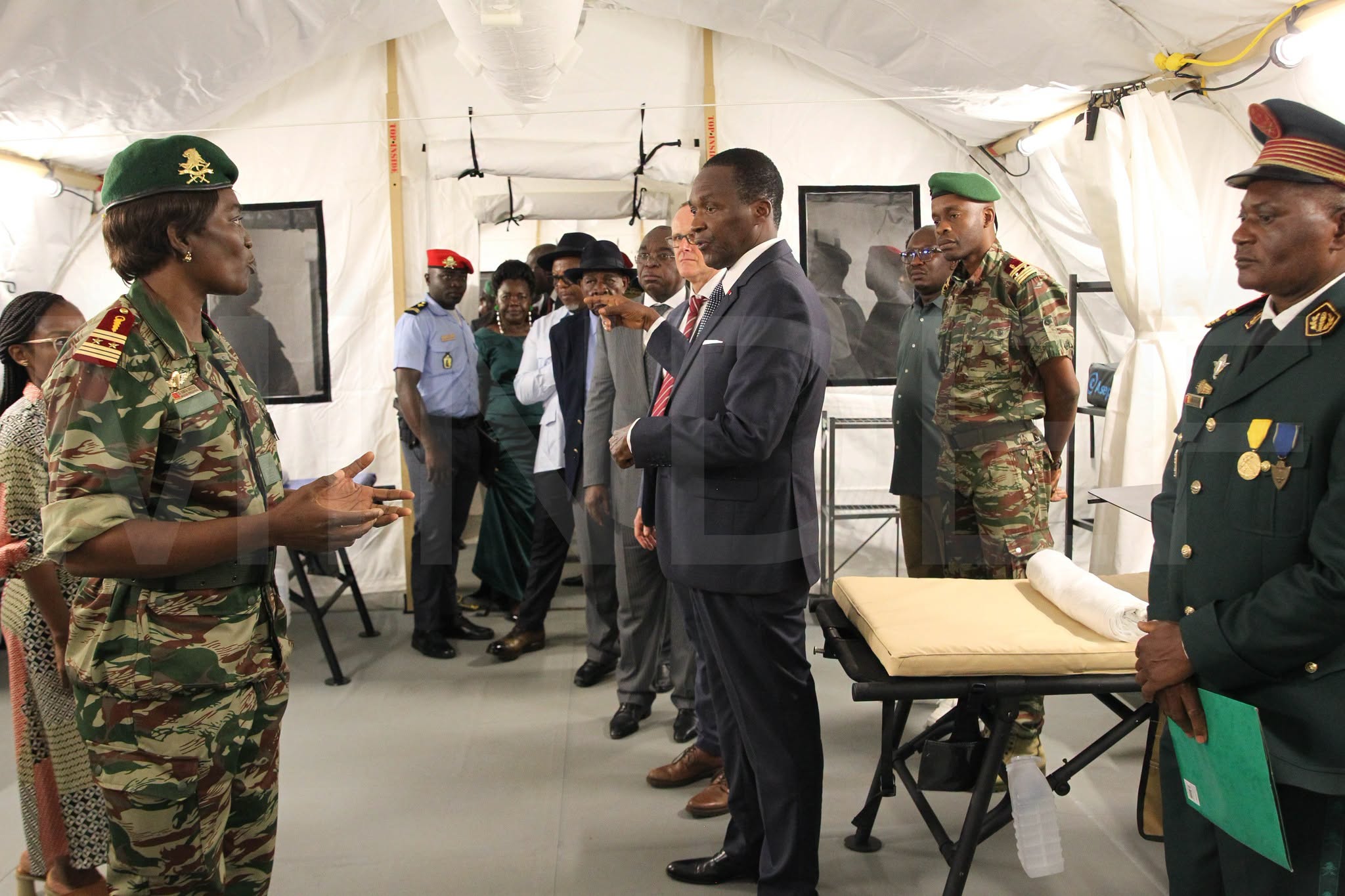
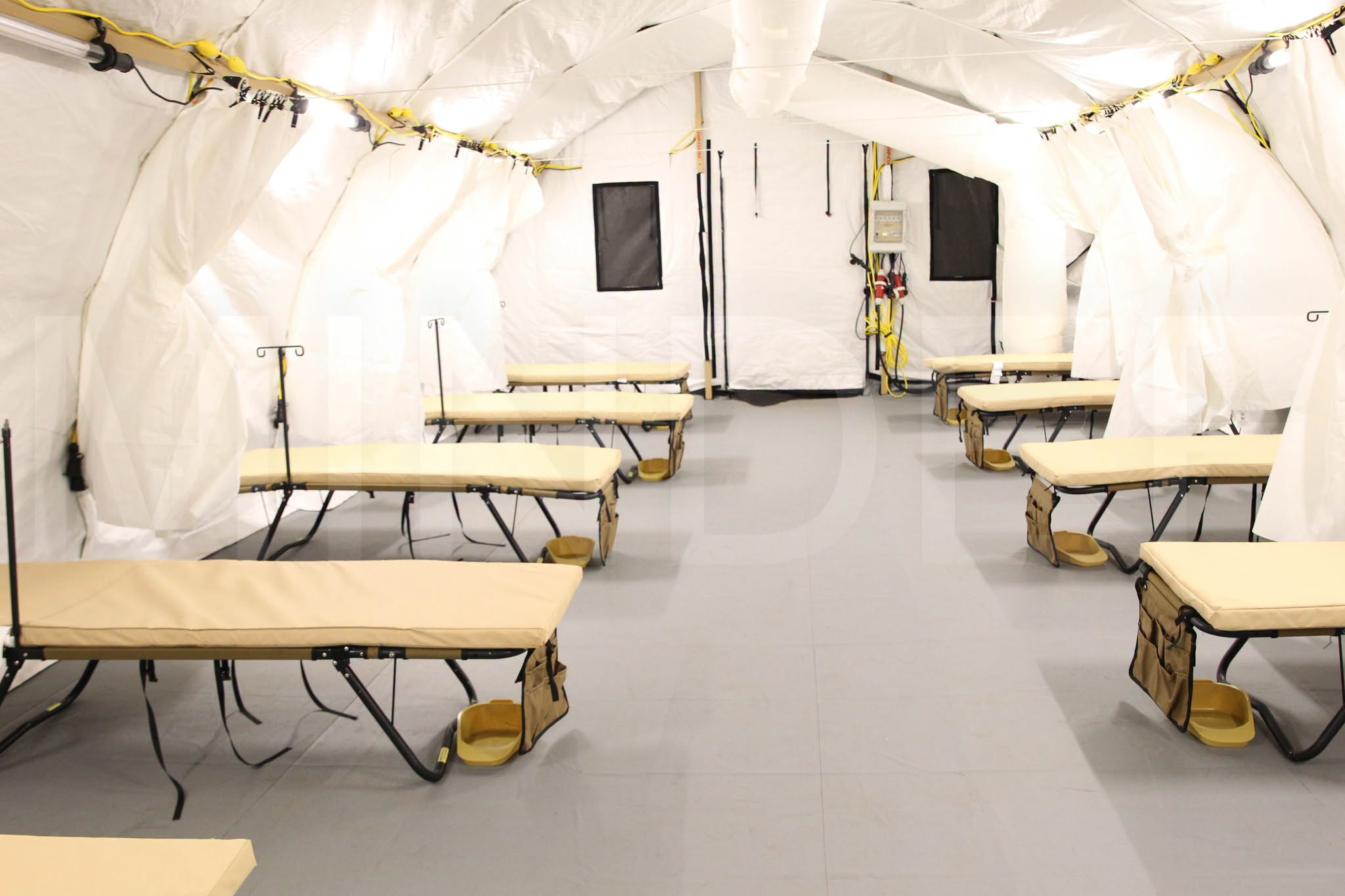
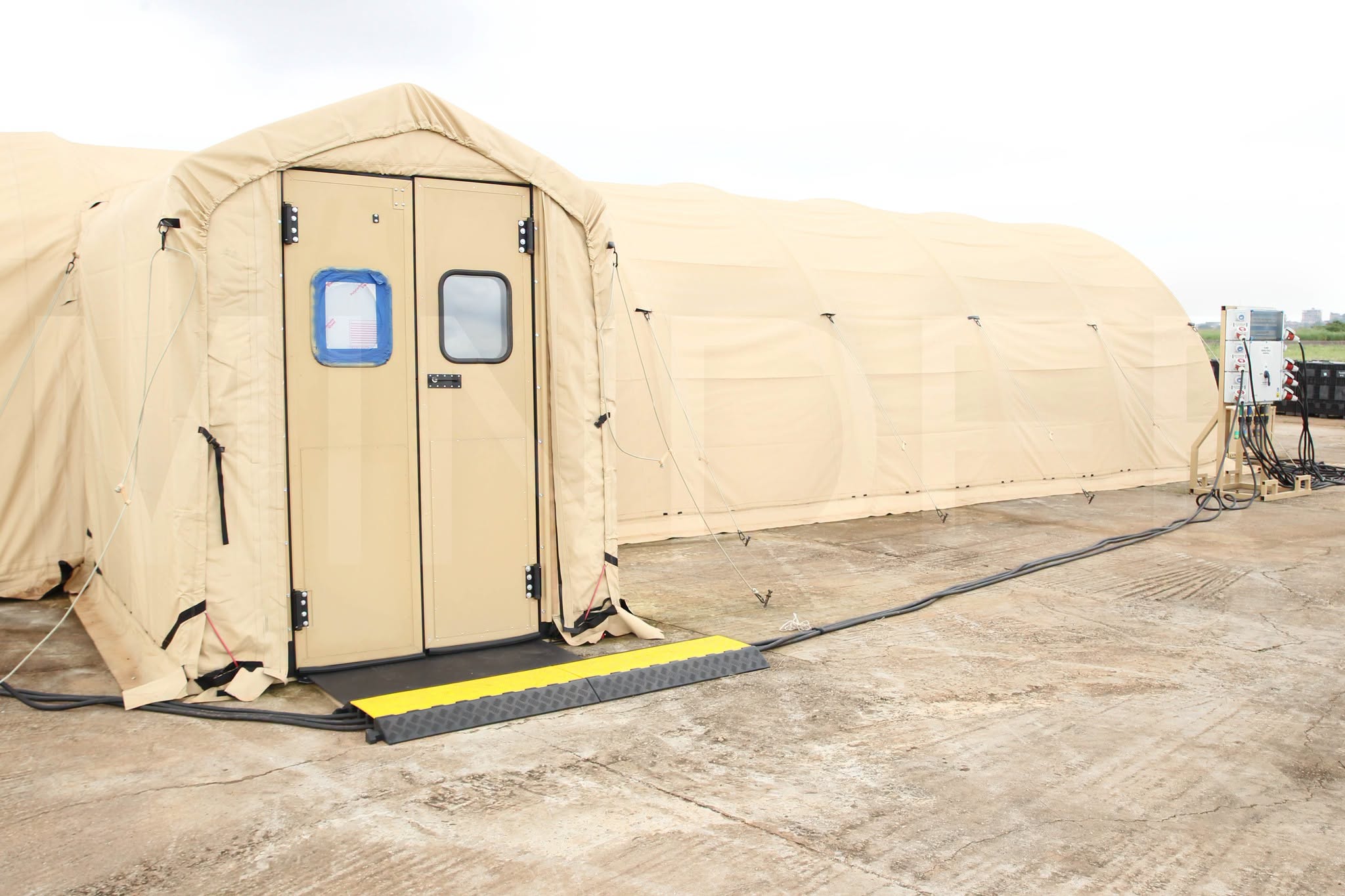
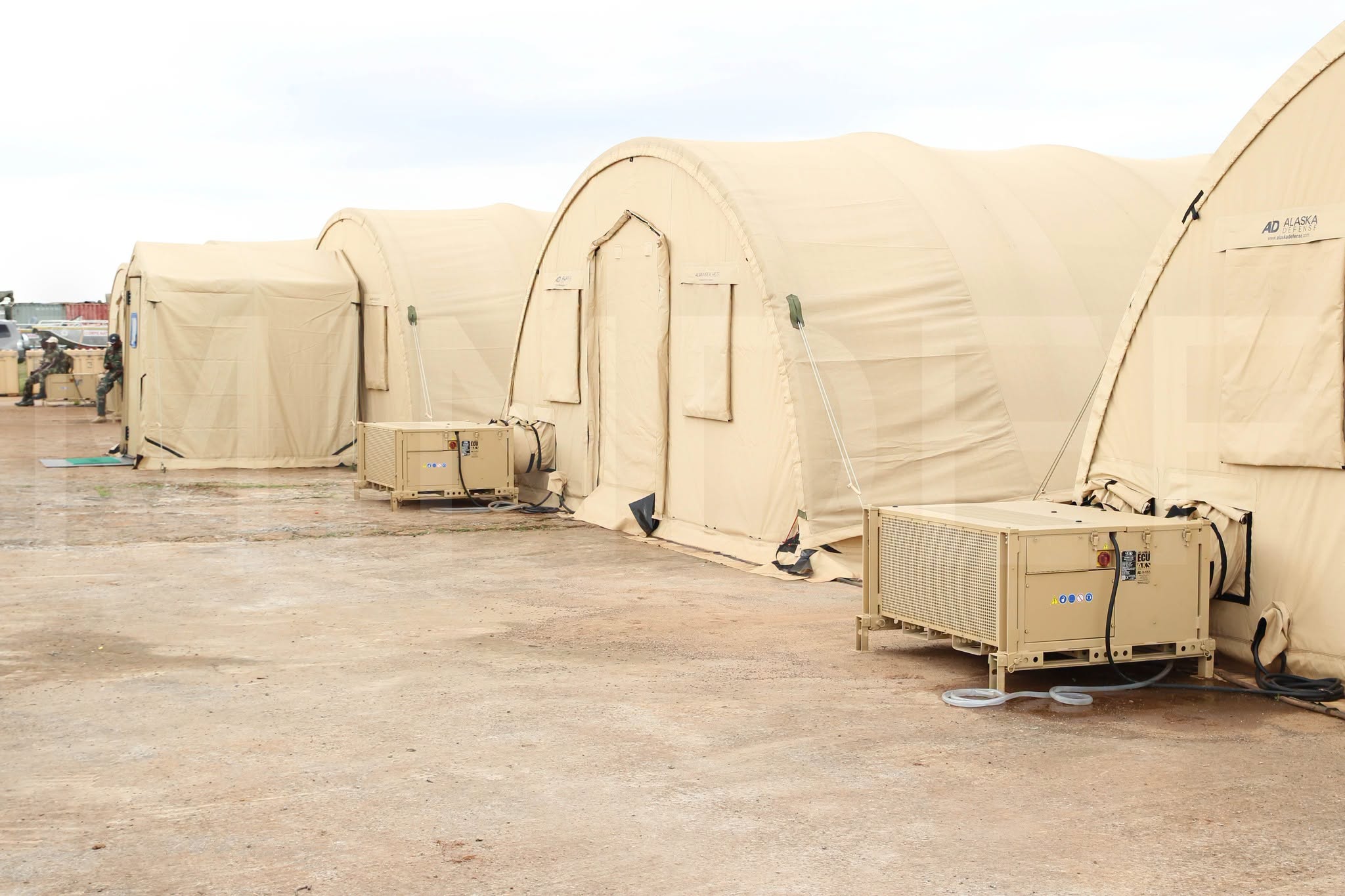
Le Cameroun et les États-Unis d’Amérique ont franchi une nouvelle étape décisive dans leurs relations bilatérales avec la rétrocession officielle de deux hôpitaux mobiles de campagne au profit des Forces Armées camerounaises. La cérémonie solennelle s’est déroulée le mardi 30 juin 2026, sur le tarmac de la Base Aérienne 101 de Yaoundé, à Mvan, explique le ministre de la Défense.
Cette cérémonie, qui témoigne de la solidité et de la constance du partenariat stratégique unissant Washington et Yaoundé, a été présidée par le Ministre Délégué à la Présidence chargé de la Défense, M. BETI ASSOMO Joseph, des membres du Gouvernement, du Chargé d’Affaires ai. Représentant l’Ambassadeur des États-Unis au Cameroun, Monsieur John G. ROBINSON, des deux Secrétaires d’Etat auprès du Ministre de la Défense en charge respectivement de la Gendarmerie Nationale et des Anciens Combattants et des Victimes de Guerre, des Officiers Généraux conduits par le Général de Division, Major Général à l’Etat-Major des Armées, de hautes autorités civiles et militaires des deux nations.
La séquence protocolaire s’est ouverte par l’allocution du Directeur de la Santé Militaire, le Colonel-Médecin OBAM Jean- Claude, qui a présenté de manière détaillée les caractéristiques techniques et le haut potentiel opérationnel de ces formations sanitaires mobiles. À sa suite, le Chargé d’Affaires par intérim à l’Ambassade des États-Unis au Cameroun, Monsieur John G. ROBINSON, a pris la parole pour saluer l’excellence des relations de défense entre les deux pays, avant de procéder à la remise officielle de la documentation technique au Ministre Délégué à la Présidence chargé de la Défense, acte hautement symbolique scellant ce don au nom du gouvernement américain. En clôture des allocutions, le MINDEF a magnifié la profondeur de cette coopération bilatérale, marquée par des appuis réguliers en matière de formation, d’équipement et de renforcement des capacités opérationnelles.
La cérémonie s’est poursuivie par une visite guidée des installations, conduite par le Directeur de la Santé Militaire. Cette séquence a permis aux membres de la délégation et aux invités de mesurer l’excellence technologique de ces infrastructures médicales mobiles, conçues pour être projetées avec une grande réactivité sur les théâtres d’opérations, en zones de combat, ou lors de catastrophes naturelles et de missions humanitaires.
Au-delà de sa portée matérielle, cette cérémonie restera le symbole d’une amitié stratégique et d’une détermination partagée à préserver la paix, la sécurité et la dignité humaine, dotant les Forces Armées Camerounaises d’un outil de premier ordre pour mieux protéger et servir la Nation.
Rejoindre notre chaîne télégram pour avoir les dernières infos
Cliquez ici

Dans son éditorial de ce 27 juin 2026, dans l’émission Honneur et fidélité, le Colonel Atonfack Guemo, le chef de la cellule de communication au ministère de la Défense vante la symbiose qu’il y a entre l’armée camerounaise et son peuple.
Lire ici son éditorial :
Depuis un grand nombre d’années déjà, l’armée camerounaise a pris l’habitude d’ouvrir ses casernes au public, et même d’en sortir, pour aller au-devant de la foule. Promotions en grade de ses personnels, prises de commandement, campagnes d’information dans les établissements scolaires, journées portes ouvertes, salons de l’entreprise, tout lui semble bon pour mieux se faire connaître. Au point où l’on se demande quel virus aurait bien pu transmettre ce désir d’extraversion à notre Grande Muette, d’ordinaire très pudique ?
La réponse à cette juste interrogation tient à trois raisons, qui sont autant de préalables indispensables à l’existence même de notre armée.
Il s’agit tout d’abord, de la nécessité de consolider chaque jour davantage, le lien Armée-Nation. Cela se traduit par le truchement d’une proximité constante et avenante avec nos populations, pourvoyeuses de la multitude et de la variété des énergies qui dans l’armée, s’agrègent et interagissent harmonieusement, sans qu’aucune de ces énergies ne s’en trouve reniée, ou seulement édulcorée. La légitimité populaire de notre armée se fonde ainsi dans l’inclusion de l’ensemble des tribalités constitutives de notre pays. De là lui vient le qualificatif, en tout point mérité, de Creuset de l’Unité Nationale.
Une autre des raisons de la croissante visibilité de notre armée, est liée à la nécessité de faire connaître la manière dont sont optimisés les lourds investissements consentis en sa faveur. Les savoirs et savoir-faire de ses personnels, ainsi que les matériels et équipements à sa disposition permettent en effet à notre armée de se déployer dans des domaines autres que les opérations militaires. La construction de diverses infrastructures, l’appui à l’éducation de la jeunesse, la contribution à la santé publique et la participation au rayonnement des mouvements culturels et artistiques sont autant de champs d’expression de l’ingéniosité et des capacités de nos militaires.
La troisième raison de ces sorties informationnelles participe de l’encadrement de la jeunesse, une jeunesse à laquelle l’armée fait découvrir et propose de gratifiantes opportunités d’épanouissement. Tout au long de son séjour sous le drapeau, et de manière alternée avec les formations purement militaires, le soldat se voit offrir la possibilité de choisir le métier dans lequel il s’estime à même de donner la pleine mesure de ses talents.
Les usagers de bon nombre de nos axes routiers, dans les villes comme dans les campagnes, les pensionnaires des écoles des casernes, les patients des structures médico-sanitaires militaires, les férus de la réalité virtuelle et les mordus de la bonne musique se rendent compte chaque jour, ou à l’occasion, de la contribution de l’armée camerounaise à l’œuvre grandiose de développement de notre cher et beau pays. Cela aussi, mérite d’être su. /
Rejoindre notre chaîne télégram pour avoir les dernières infos
Cliquez ici

«Le 29 juin 2026, le ministre des Finances a fait une sortie médiatique explosive concernant la réhabilitation de la Sonara. Cette intervention fait suite à un article de Jeune Afrique qui replace le ministre des Finances au centre de la course à la succession», analyse Michel Njilo.
Pour ce confrère de Construire Ensemble, le ministre des Finances est ainsi remis au cœur de la compétition après une «campagne de sabotage initiée par le journal panafricain Jeune Afrique contre Franck Biya». «Pourquoi de telles attaques de Jeune Afrique contre Franck Biya ?», questionne-t-il.
«Dans un article incendiaire, Jeune Afrique a véhiculé des informations sur le rejet d’une probable candidature de Franck Biya par l’élite Bulu, en affirmant que la jeunesse du Sud serait hostile à sa candidature. Mais en réalité, Franck Biya fait de plus en plus peur aux autres postulants à la vice-présidence. Selon certaines révélations issues des couloirs de Genève, avant son départ pour la Suisse, le président de la République faisait face à deux propositions de vice-présidence et de gouvernement : une de la Première dame avec le DCC Adjoint, et une seconde du Secrétariat général à la présidence avec le SGPR. Non seulement le président n’a donné aucune suite favorable à ces propositions, mais il aurait également contourné le dispositif habituel de voyage pour son départ en Suisse, où des séances de travail avec Franck Biya étaient annoncées», commente Albin Njilo.
Franck Biya possède-t-il des entreprises fictives aurifères ?
«Ce mardi, des lanceurs d’alerte, notamment Boris Bertolt, ont publié des accusations visant à impliquer Franck Biya dans un scandale de trafic d’or. C’est une preuve de plus qu’au sein de l’État profond, la bataille finale est engagée. Les rebondissements et les révélations sur l’assassinat de Martinez Zogo, ainsi que les scandales de pillage d’or actuellement examinés par le TCS (Tribunal Criminel Spécial) et suivis de près par le président Biya, sont, pour les observateurs avertis, des mécanismes qui conduiront à la déchéance fonctionnelle de plusieurs pontes du régime parmi les prétendants à la vice-présidence. Plus le temps passe, plus la désignation du vice-président et le remaniement ministériel tardent, et plus les scandales éclatent, exposant ceux qui nourrissent un appétit féroce pour le pouvoir», informe notre confrère.
Pour lui, cette attente constitue donc des risques potentiels pour la sécurité du président de la République. « En effet, après l’affaire Martinez Zogo qui a révélé les accointances entre la DSP et l’homme d’affaires Amougou Belinga, le président de la République se serait tourné vers le BIR. Le commandant de la GP (Garde Présidentielle) aurait ainsi quitté Melen pour s’installer dans un bureau au palais d’Etoudi. Le BIR est une unité d’élite de l’armée camerounaise, utilisée par le président Paul Biya pour les questions de défense de la souveraineté nationale», ajoute Albin Njilo.
«Depuis son dernier voyage avorté grâce aux informations de l’ambassade des États-Unis, les renseignements américains — qui suivent de près la situation au Cameroun et maîtrisent les risques de déstabilisation en l’absence d’une succession établie par Paul Biya — lui auraient demandé de limiter ses déplacements pour des raisons de sécurité. Donald Trump est désormais impliqué dans la sécurité du président Paul Biya. Il y a quelques temps, dans la plus grande discrétion tel que rapportait Jeune Afrique, un jet privé avait atterri au Cameroun, sur le tarmac de l’aéroport international de Yaoundé-Nsimalen avec à son bord, William Joseph Burns, directeur de la CIA et homme clé de l’appareil sécuritaire américain. Quelques heures plus tard il rencontrait les très hauts responsables des renseignements camerounais. Au regard de ces événements, il est clair que le président Paul Biya, contrairement aux rumeurs, garde la maîtrise de tous les dossiers. Conscient de la bataille des clans, il doit plus que jamais veiller à sa sécurité, car lui seul est capable de garantir aux Camerounais une alternance pacifique», conclut Albin Njilo de Construire Ensemble.
)
Rejoindre notre chaîne télégram pour avoir les dernières infos
Cliquez ici
 Société1 year ago
Présidentielle 2025 au Cameroun: voici les 10 candidats qui ont déjà déclaré leurs candidatures
- Dernières actualités2 years ago
Cameroun : Liste complète des 250 ethnies qui font la fierté de la nation
- Politique1 year ago
Présidentielle 2025 : voici les 10 candidats qui ont déjà déclaré leurs candidatures
- Politique1 year ago
Élections présidentielles 2025 au Cameroun : Quels candidats ont les meilleures chances de succès ?
- Actualités locales4 months ago
Théodore Datouo élu président de l’Assemblée nationale du Cameroun !
- Société1 year ago
Obtenez votre CNI en 48 heures : voici les 13 centres d’enrôlement au Cameroun
- Faits divers2 years ago
Frais de retrait Orange Money Cameroun : Tout ce que vous devez savoir
- Société2 years ago
Voici l’origine des noms de 20 quartiers de Yaoundé


