Actualités locales
How Xi’s crackdown on excess reshapes China


BEIJING, March 28 (Xinhua) — The Communist Party of China (CPC) has launched a four-month campaign to urge its around 100 million members to bolster compliance with a code of conduct that has strengthened the Party over the past 12 years.
This education campaign on the eight-point rules was planned by none other than China’s top leader Xi Jinping. During his inspection tour to southwest China last week, Xi urged Party organs at all levels to meticulously organize and implement the campaign.
He called for fighting misconduct and corruption as a whole, and making relentless efforts to root out the underlying conditions for corruption.
Exercising full and rigorous Party self-governance has been a signature and cornerstone of Xi’s leadership. In his first press appearance as the newly elected general secretary of the CPC Central Committee in November 2012, he candidly acknowledged that the Party faced « numerous severe challenges, » with corruption being a primary concern.
He immediately started addressing the issue by tackling the deteriorating conduct of officials — some had indulged in extravagance, grown content with empty formalities, or put on an air of bureaucracy.
« The Party’s conduct is crucial to winning the people’s support and is a matter concerning the Party’s survival or demise, » Xi said.
In less than 20 days, the eight-point rules were introduced by the CPC central leadership. Spelled out in just over 600 words, the eight-point rules established regulations for Party leaders regarding research tours, meetings, documentation, and other official duties, cracking down on lavish banquets, red carpet events, pomp, entourages, unnecessary meetings, and luxury perks that had once been regarded by some as typical symbols of power.
According to the eight-point rules, when conducting grassroots field studies, officials should learn from the people on the ground. Ceremonial formalities such as banners and floral arrangements are not allowed. Official meetings and events must be streamlined. Security protocols such as traffic controls and road or venue closures should be minimized.
The code of conduct started off with a bang, yielding immediate and remarkable results.
« Few anticipated that the persistent issues of official extravagance plaguing China’s political circles would undergo such a striking transformation, » Singapore’s Lianhe Zaobao newspaper observed.
Over the past decade, the eight-point rules have kept evolving and today remain a defining hallmark of Xi and the CPC’s efforts to ensure good and clean governance.
A LONG-HELD TRADITION
Son of revolutionary leader Xi Zhongxun, Xi Jinping learned from his father’s rigorous and disciplined approach to life and work from a young age.
Four children of the family studied at a boarding school, and every weekend, they took the bus home. The elder Xi had never picked them up with his official car.
He taught his children to live frugally and always maintain a humble and modest attitude.
Over the years, a frugal lifestyle, strict self-discipline, and strong ties with the masses remained with Xi Jinping.
In the late 1980s, when he served as the Party chief of Ningde, a poor prefecture in Fujian Province, Xi Jinping refused to take a new imported car as his vehicle for official use, and insisted on using an old one left by his predecessor.
« We are in a poverty-stricken area, and we should not flaunt wealth or indulge in extravagance, » Xi told his staff.
As he once explained, issues of official misconduct often stemmed from the improper handling of private and public interests, along with the abuse of power.
In 1989, Ningde introduced a set of 12 rules promoting clean governance and self-discipline among officials. These straightforward guidelines prohibited misconduct such as excessive wining and dining during inspection tours and the use of official vehicles for personal purposes.
« The power of us Communists, regardless of its extent, is granted by the people and is mandated solely to work for their benefit, » Xi said.
In the early 2000s, after Xi was appointed as Zhejiang’s provincial Party chief, Sun Guangming served on his staff, overseeing the planning of Xi’s inspections.
He recalled that during these inspections, Xi consistently demanded corrections whenever local officials arranged lavish receptions featuring expensive dishes, fine liquor, or gifts of local specialties.
Sun said that based on Xi’s instructions, the general office of the provincial Party committee imposed strict standards for official receptions, giving a heads-up along with Xi’s itinerary to local authorities before each inspection tour. These requirements, typically consisting of seven or eight points, resembled the eight-point rules now in effect.
Sun believes the rules, adopted at the Political Bureau meeting chaired by Xi on Dec. 4, 2012, signify that Xi has ushered in a new era of the Party’s full and rigorous self-governance.
LEADING BY EXAMPLE
When the eight-point rules were established, some questioned whether the campaign was merely a passing fad or a political show. Xi knew enforcement was crucial.
« Promises made must be kept. In the Political Bureau, it (enforcement) starts with me, » he said.
Three days after the rules were issued, Xi visited Guangdong Province. He declined the option of staying in a presidential suite, choosing instead to stay in a standard suite at a hotel.
« He told us not to upgrade anything in the room — no new purchases, no extra additions, » recalled a manager of the hotel, surnamed Qu.
At the hotel, Xi opted for a simple buffet and finished his meal in less than 20 minutes. This surprised a catering manager surnamed Yang, who noted that the restaurant typically served more dishes even for standard corporate events.
That afternoon, Xi traveled in an unassuming convoy that blended into regular traffic, traveling alongside taxis and buses, following traffic lights. Everything proceeded as usual — no cleared paths, roadblocks, banners, or trailing entourage.
The next day, no red carpets were laid out when Xi attended an event at Lianhuashan Park either.
It was a tone-setting trip that defined the simple style of Xi’s over 100 domestic inspections in the following decade. He has consistently eschewed special arrangements, instead opting to follow local customs and minimize disruption to residents.
In rural Shaanxi, he dined with locals on Loess Plateau staples like buckwheat noodles and fried dough. In Gansu, he had five meals on the train to ease the reception burden on local authorities.
As the top commander of the armed forces, Xi once queued up with sailors at a lunch buffet onboard a warship and ate with them.
During his recent inspection trip to Guizhou Province last week, Xi sat on a bench at a drum tower, chatting with folk song singers, batik artists, and college graduates in a mountainous village.
Netizens compared the scene to a series of similar encounters, noting that it reflected Xi’s natural and comfortable way of connecting with the public, reinforcing his image as a man of the people — something that has remained unchanged since his teenage years working in the countryside and throughout his political career.
« I often remind myself that all fellow members within the Party have entrusted me to serve as general secretary, so I must hold myself to even stricter standards, leading by example in upholding the Party Constitution and adhering to Party discipline and rules, » Xi said.
He is strict with his family members, too. Xi said anyone who claims to be his friend or relative to seek favors should be firmly rejected and reported without delay.
« Communists don’t play by the rules of favoritism in which someone gains power, and people connected to them receive special privileges, » he has repeatedly said.
« Don’t assume that being a cadre’s child makes one immune to consequences. Anyone who violates Party discipline or state laws must be held accountable, and they must be dealt with even more strictly to set an example for the people, » Xi said.
He demanded that the implementation of the eight-point rules begin with the 20-plus-member Political Bureau. For years, it has been a standard practice for Political Bureau members to report on their adherence to these rules during the annual criticism and self-criticism session.
STARTING SMALL TO CRACK HARD NUTS
Fighting corruption is no easy task. By starting with officials’ indulgence in lavish banquets — a visible symbol of excess and privilege — Xi made a strategic first strike that addresses public discontent.
Even mooncakes were put in the spotlight. A traditional treat during the Mid-Autumn Festival, mooncakes had, at the height of the bribe-giving culture, morphed into a convenient cover for bribery.
Xi applauded the graft-busters’ attention to mooncakes. « Targeting mooncakes may seem trivial, but it’s actually about tackling the corruption hidden behind such practices, » he said.
Observers describe Xi’s strategy as tackling issues one by one, making steady progress. By targeting seemingly small matters such as the misuse of public funds for mooncakes, greeting cards, fireworks and so on, the effort moved from simple to complex, gradually making breakthroughs.
To add more weight to the eight-point rules, the Party’s top disciplinary watchdog regularly names and shames violators and announces the punishments they receive to deter others.
Such measures serve not only as punishment but also as a wake-up call, pulling offenders back before minor infractions spiral into more serious wrongdoing or even criminal acts.
In a decade, about 1.1 million people were reminded, reprimanded, or punished for violating the rules.
Xi’s decision to target misconduct was a well-thought-out move. With misconduct and corruption stemming from the same root, the rules represented a decisive first blow at the heart of the problem.
After assuming the top position, Xi launched an unprecedented anti-corruption storm that has swept every corner of public office, netting both high-flying « tigers » and lower-level « flies. » Some of the most senior officials — including former members of the Political Bureau and its Standing Committee, top military brass, and retirees who left their leading positions years ago — have been brought to justice.
Fully aware that corruption is an issue the people resent most, Xi said: « If we don’t offend a few thousand corrupt officials, we’ll fail 1.4 billion Chinese people. »
An overwhelming victory had been achieved, but Xi warned that the fight against corruption and misconduct would never end.
Indeed, new forms of practices dodging the eight-point rules have continuously emerged. Some officials tried to bypass hotels and restaurants to indulge in luxury in private villas and secluded rural retreats. A few even sought extravagance abroad.
Xi used a metaphor to emphasize the long-term nature of improving conduct: « Just as a room needs regular cleaning, the dust in our minds must be cleared away regularly. »
At times, he was more direct, saying that « if 10 years aren’t enough, then 20 years; if 20 years aren’t enough, then 30 years. »
PROFOUND TRANSFORMATIONS
The ban on extravagant official receptions, along with restrictions on expenses for official overseas visits and vehicle use, eased long-standing public frustration. Once-symbolic perks of officialdom — lavish banquets, wasteful junkets and personal use of official vehicles — have largely faded.
With the eight-point rules firmly in place, transparency has improved as government departments and agencies continue to upgrade their practices for regularly disclosing expenses. The focus of the public has also shifted, from outrage over excess to scrutinizing how the money saved from curbing extravagance is being reinvested.
Wang Jixia, a former official overseeing vegetable cultivation in Laoling, Shandong Province, was all too familiar with the health problems commonly afflicting government officials: fatty liver, high blood pressure, and soaring cholesterol — all consequences of endless rounds of lavish banquets. « Social drinking twice a day seemed part of the job, » he recalled.
But things are different now. The crackdown on extravagant receptions allowed Wang to refocus on his real work. He had more time to visit farmers to assess vegetable production. His health also improved.
Xi also noted such lifestyle changes among officials. « Instead of attending lavish events and downing drinks, many officials now feel a renewed sense of relief, » he once said at a meeting.
And the impact of the eight-point rules goes beyond that. As civil servants enhanced their awareness to serve the populace, their push to streamline administration picked up pace, saving time and trouble for businesses and the public.
This transformation has reshaped social norms as well. Simplicity is now valued over extravagance. Restaurants have shifted to offering smaller portions, with diners readily packing up leftovers. Foods that were once overpriced have become affordable again.
Even weddings and funerals are reducing extravagant banquets, choosing simpler and more budget-friendly arrangements instead. Likewise, agencies and institutions now favor modest venues over luxury hotels or tourist resorts for conferences.
The eight-point rules have helped restore public trust. A recent poll revealed that 94.9 percent of respondents approved of the rules.
« We must show that we are not only capable of delivering results but also doing so with genuine dedication, » Xi said. « Only then can we truly earn the trust of the people. »
HAMMERING NAILS
Xi has transformed the Party and the country through the eight-point rules. Yet, he remains keenly aware that the mission is far from accomplished.
« Certain areas have grown lax, some blind spots remain unaddressed, and unhealthy practices have begun to resurge, » Xi noted last week during his inspection tour.
One high-profile case in December 2022 underscored the persistence of misconduct.
Six senior officials in northwest China’s Qinghai Province held a drinking spree in the dormitory of the provincial Party School, in a blatant violation of rules.
The hours-long drinking session led to severe consequences the next day. One of the officials was hospitalized due to a heart attack, while another died from alcohol intoxication.
Investigations revealed that these officials had formed a clique over the years of socializing, leveraging their positions to exchange favors. They all received severe punishments.
Following the 20th CPC National Congress in late 2022, China’s disciplinary agencies have handled 768,000 cases of malpractice and corruption at the grassroots level, imposing penalties on 628,000 officials.
In January this year alone, disciplinary agencies nationwide investigated and addressed 16,430 cases of violations of the eight-point rules.
« Conduct issues are recurrent and deeply entrenched; they cannot be resolved overnight or eradicated through a single decisive campaign. We must avoid superficial, short-lived efforts that fade like a passing gust of wind, » Xi has warned.
At a top-level anti-corruption meeting in January, Xi identified the deeply intertwined nature of misconduct and corruption as a « prominent problem » and called for an integrated crackdown.
The latest education campaign marks Xi’s renewed push to tackle the issue. During talks with local officials last week, he cautioned against mere surface-level compliance, stressing that such an approach runs counter to the eight-point rules themselves.
« Like hammering a nail, we must strike it a few more times, » he said, « until the change becomes deeply ingrained in people’s behavior and way of thinking. »
(by Xinhua writers Zhou Xiaozheng, Xu Lingui, Wang Di, Cheng Zhuo, Yu Xiaohua, Cao Peixian, and Zhang Bowen) ■
CLIQUEZ ICI POUR LIRE L’ARTICLE ORIGINAL SUR camerounactuel.com

Actualités locales
pourquoi la perte de ses sponsors chinois ne signifie pas la fin de sa valeur commerciale
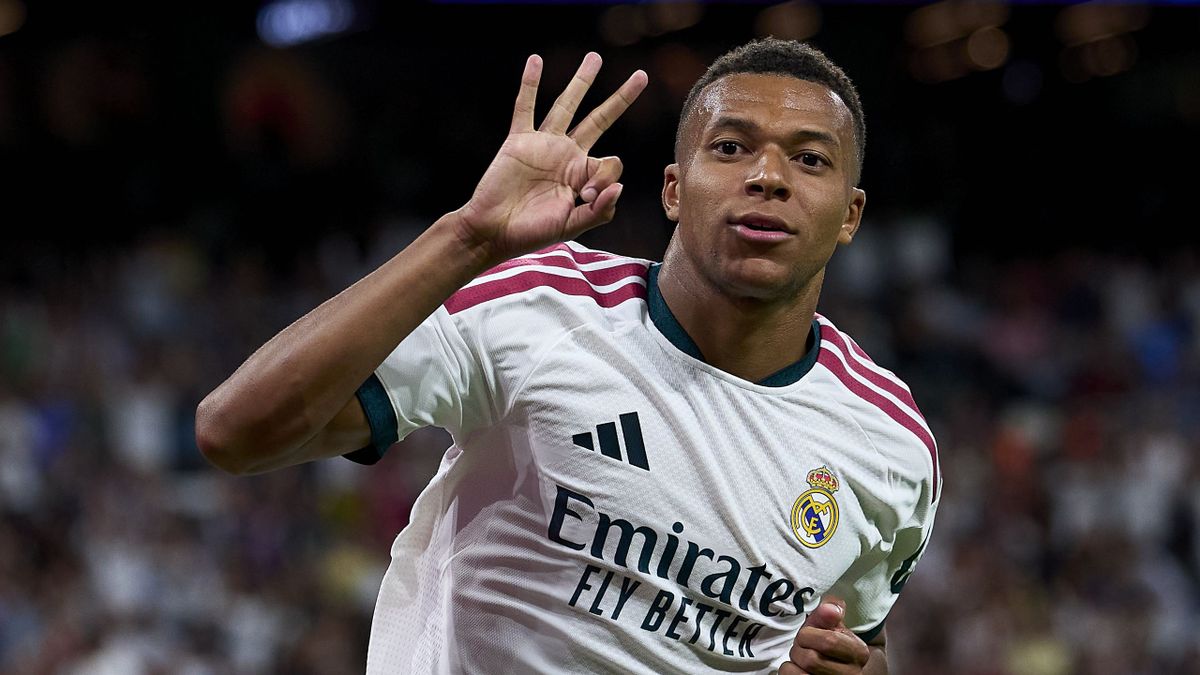
Dans une tribune, Jean-Pierre Bekolo estime que la rupture de contrats publicitaires avec des entreprises chinoises ne remet pas en cause la valeur intrinsèque de l’attaquant français Kylian Mbappé. Il interroge plus largement les rapports entre talent, capital et dépendance commerciale.
La perte de plusieurs contrats publicitaires attribués à Kylian Mbappé auprès d’entreprises chinoises ne signifie pas nécessairement un effondrement de sa valeur commerciale, estime Jean-Pierre Bekolo dans une tribune consacrée aux relations entre le talent sportif et les intérêts économiques.
L’auteur s’interroge sur la manière dont sont présentées les conséquences financières de la rupture de ces partenariats. Selon les chiffres avancés dans son texte, les contrats concernés avec Dongpeng, Mengniu et Milkground représenteraient entre trois et six millions de dollars de revenus annuels pour le capitaine de l’équipe de France.
Ces montants restent toutefois à considérer comme des estimations citées par l’auteur, et non comme des données financières indépendamment confirmées.
Pour Jean-Pierre Bekolo, le débat ne devrait pas se limiter aux sommes que le joueur pourrait perdre. Il invite également à examiner ce que les entreprises recherchent lorsqu’elles signent des contrats avec des sportifs de renommée internationale : leur notoriété, leurs performances et leur capacité à influencer les consommateurs.
Lire la tribune de Jean-Pierre Bekolo :
MBAPPÉ : CE N’EST PAS L’ARGENT QUI A CRÉÉ LE TALENT, C’EST LE TALENT QUI A ATTIRÉ L’ARGENT
Il y a quelque chose de profondément pervers dans la manière dont on raconte aujourd’hui les pertes financières de Kylian Mbappé à la suite de la rupture de ses contrats publicitaires avec des entreprises chinoises.
On nous explique qu’il risque de perdre plusieurs millions de dollars. On calcule ce que représentent ces contrats dans ses revenus annuels.
On mesure sa dépendance au marché chinois. On s’inquiète de son avenir commercial.
Mais personne ne semble poser la question la plus élémentaire : pourquoi toutes ces entreprises sont-elles venues vers lui ?
Parce qu’il joue bien au football !
Ce n’est pourtant pas compliqué.
Nike ne lui a pas appris à courir. Dior ne lui a pas appris à dribbler. Les entreprises chinoises ne lui ont pas donné son talent. Elles sont venues chercher chez lui quelque chose qu’elles ne possédaient pas et qu’elles étaient prêtes à payer très cher : sa capacité à attirer les regards, à susciter l’admiration, à faire rêver des millions de personnes.
Ce n’est pas Mbappé qui avait besoin de ces marques pour devenir Mbappé. Ce sont ces marques qui avaient besoin de Mbappé pour vendre davantage.
Et pourtant, regardez comment fonctionne le système.
Il commence par reconnaître votre talent. Puis il investit dans ce talent. Puis il organise sa commercialisation. Et finalement, il vous fait croire que c’est lui qui vous a fabriqué.
Le sponsor devient votre bienfaiteur. Le financeur devient votre créateur. Celui qui vous achète finit par se comporter comme celui qui vous a donné la vie.
Et vous voilà obligé de le remercier de vous avoir permis d’exister !
Qu’a réellement perdu Mbappé ?
Prenons les chiffres avancés.
Ses contrats avec les entreprises chinoises Dongpeng, Mengniu et Milkground représenteraient entre 3 et 6 millions de dollars de revenus annuels. Ses revenus publicitaires globaux seraient de l’ordre de 25 à 35 millions de dollars par an, auxquels s’ajoutent ses revenus de footballeur.
Admettons même qu’il perde définitivement ces 6 millions de dollars.
Que lui reste-t-il ?
Son salaire. Ses autres contrats publicitaires. Sa notoriété internationale. Ses millions de supporters. Et surtout, ce que personne ne peut lui retirer par une décision commerciale : son talent de footballeur.
Il n’a pas perdu sa vitesse parce qu’une entreprise chinoise a retiré son visage d’une publicité. Il n’a pas perdu sa technique parce qu’un fabricant de boissons énergisantes ne veut plus travailler avec lui. Il n’a pas perdu sa capacité à marquer des buts parce qu’un fabricant de produits laitiers a décidé de rompre son contrat.
Il a perdu des acheteurs de son image.
Ce n’est pas la même chose que perdre ce qui donne de la valeur à cette image.
Et que va-t-il retrouver ?
C’est ici que les calculs financiers deviennent particulièrement absurdes.
On comptabilise les contrats perdus comme si l’histoire économique de Mbappé venait de s’arrêter.
Mais pourquoi s’arrêterait-elle ?
Si son talent a attiré hier des entreprises chinoises, pourquoi ne pourrait-il pas attirer demain des entreprises indiennes, africaines, européennes, américaines ou d’autres entreprises chinoises ?
Le marché mondial ne se limite pas à trois marques.
Ces entreprises sont venues parce qu’elles espéraient gagner de l’argent grâce à lui. D’autres peuvent parfaitement faire le même calcul.
Il retrouvera peut-être l’équivalent de ces 3 à 6 millions de dollars. Peut-être davantage. Peut-être moins. Rien ne garantit qu’il les récupérera immédiatement, ni même intégralement.
Mais ce qui est certain, c’est que la source de sa valeur commerciale n’a pas disparu avec ses contrats.
Il peut perdre un sponsor sans perdre sa capacité à en attirer un autre.
Et c’est cette distinction que le système préfère entretenir dans la confusion.
Mais qu’ont perdu les entreprises chinoises ?
Voilà la question que l’on devrait également poser.
Elles ont perdu l’accès publicitaire à l’un des footballeurs les plus connus au monde.
Elles ont perdu la possibilité d’associer leurs produits à son image, à ses performances, à sa popularité, à son histoire.
Elles ont renoncé à un ambassadeur qu’elles avaient elles-mêmes jugé suffisamment précieux pour lui proposer des contrats de plusieurs millions.
Bien entendu, elles peuvent aussi trouver d’autres ambassadeurs. Mbappé n’est pas le seul footballeur talentueux de la planète.
Mais pourquoi faudrait-il considérer automatiquement la rupture comme une défaite pour celui qui vend son image et jamais comme une perte pour celui qui l’achetait ?
La relation commerciale fonctionne dans les deux sens.
Si une entreprise paye plusieurs millions pour utiliser votre visage, c’est qu’elle estime pouvoir gagner davantage grâce à ce visage.
C’est elle qui a identifié chez vous une valeur qu’elle voulait transformer en ventes.
Le mensonge du système : nous vous avons faits
Cette histoire dépasse évidemment Mbappé.
C’est exactement ce qui arrive aux artistes, aux cinéastes, aux écrivains, aux musiciens, aux chercheurs et à tant de jeunes talents, particulièrement en Afrique.
Une plateforme vous distribue et finit par vous faire croire qu’elle vous a créé.
Un producteur finance votre film et finit par se prendre pour l’auteur de votre cinéma.
Un éditeur publie votre livre et vous explique que sans lui vous ne seriez personne.
Une institution vous accorde une subvention et attend de vous une reconnaissance éternelle, parfois même une soumission.
Mais pourquoi sont-ils venus vers vous au départ ?
Parce que vous aviez quelque chose qu’ils n’avaient pas.
Une idée. Une imagination. Une invention. Une intelligence. Une capacité de création. Un talent.
Ils ont apporté des moyens financiers, techniques ou commerciaux. Ces moyens peuvent être importants, parfois indispensables à la réalisation d’un projet. Mais ils ne doivent pas être confondus avec la source de la création.
Le capital a une extraordinaire capacité à inverser les rapports de dépendance.
Il vient chercher une valeur produite ailleurs, puis il organise les conditions dans lesquelles celui qui a produit cette valeur finit par se croire redevable à celui qui l’exploite.
C’est ainsi que le talent devient reconnaissant envers l’argent, alors que l’argent était venu chercher le talent.
Lâchez Mbappé !
Alors, aux entreprises chinoises qui ne veulent plus de Mbappé, on pourrait simplement dire : lâchez-le !
Gardez votre argent.
Vous avez parfaitement le droit de choisir vos ambassadeurs et de défendre vos intérêts commerciaux.
Mais ne nous racontez pas que vous avez détruit la valeur de Mbappé en retirant vos contrats.
Vous avez simplement décidé de ne plus l’acheter.
Lui continuera à jouer au football. Il continuera à marquer des buts, s’il en est capable. Il continuera à attirer des spectateurs, des admirateurs et des entreprises intéressées par son image.
Et si ses performances demeurent à la hauteur de sa réputation, les propositions commerciales continueront vraisemblablement d’arriver.
Ce qui a attiré l’argent hier peut attirer l’argent demain.
La véritable liberté de Mbappé ne réside donc pas dans les millions qu’il possède déjà. Elle réside dans le fait que sa valeur première n’a pas été produite par ceux qui le rémunèrent aujourd’hui.
Il est devenu riche parce qu’il avait un talent que le marché voulait acheter.
Il ne doit pas son talent au fait d’être devenu riche.
Et cette vérité devrait être enseignée à tous les jeunes Africains qui rêvent de football, de cinéma, de musique, de littérature, de science ou d’entrepreneuriat.
Ne confondez jamais ceux qui financent votre talent avec ceux qui l’ont créé.
Ne confondez jamais la perte d’un client avec la perte de votre valeur.
Ne confondez jamais la fin d’un contrat avec la fin de votre avenir.
L’argent peut vous quitter. Votre talent, lui, peut continuer à produire de la valeur.
Et tant qu’il le fera, l’argent pourra revenir.
Jean-Pierre Bekolo
CLIQUEZ ICI POUR LIRE L’ARTICLE ORIGINAL SUR camerounactuel.com

Les Lions U15 du Cameroun abordent les 16es de finale de la Coupe du monde Azerbaïdjan 2026 avec ambition et sérénité. Après une phase de […]
Rejoindre notre chaîne télégram pour avoir les dernières infos
Cliquez ici
Actualités locales
un collectif marche vers l’ambassade de Russie contre le recrutement de jeunes dans l’armée russe

Le collectif « Ramenez nos fils et nos frères » organise ce mercredi 28 octobre une marche pacifique jusqu’à l’ambassade de Russie, afin d’appeler la Russie et l’État camerounais à collaborer pour démanteler les filières de recrutement clandestin de Camerounais dans l’armée russe.
Organisée le jour même de l’ouverture du 3ᵉ Forum économique et humanitaire Russie-Afrique, cette marche traduit la volonté du collectif de placer au cœur de ce forum la question du recrutement clandestin de Camerounais et de leur enrôlement dans l’armée russe, d’autant que ce rendez-vous se veut aussi humanitaire.
La Russie et le Cameroun entretiennent une longue amitié, renforcée au fil des années par de multiples coopérations. Cette amitié ne saurait être ternie par la volonté ou la passivité des deux pays face à un phénomène qui se déroule sous nos yeux et brise, dans un silence total, de nombreuses familles.
Cette marche vise à rappeler que, depuis quelques années, des Camerounais, trompés par des promesses fallacieuses d’emplois bien rémunérés en Russie, sont recrutés dans l’armée russe et finissent envoyés sur le front russo-ukrainien, parfois en première ligne et sans formation préalable, comme en attestent les cas documentés par les médias et les récits des familles.
« Une si belle amitié ne saurait être ternie par des réseaux clandestins. C’est l’image d’une Russie meurtrière qui reste aujourd’hui gravée dans la conscience des familles camerounaises et africaines. À l’image du Kenya, qui a obtenu de la Russie qu’aucun Kenyan ne soit plus enrôlé dans son armée, nous voulons que plus jamais un Camerounais ne soit recruté pour aller combattre sur le front russo-ukrainien », déclare Paul Silver Yede, porte-parole et cofondateur du Collectif.
À PROPOS DU COLLECTIF « RAMENEZ NOS FILS ET NOS FRÈRES »
Créé en août 2026 par des acteurs de la société civile, « Ramenez nos fils et nos frères » est un mouvement de solidarité, de vérité et de protection de la jeunesse camerounaise. Il dénonce le recrutement, souvent trompeur, de jeunes Camerounais envoyés combattre aux côtés des forces russes en Ukraine.
L mouvement accompagne les familles confrontées à la disparition ou au décès de leurs proches, exige des informations sur le sort des personnes concernées et plaide pour le rapatriement des dépouilles ainsi que pour le démantèlement des réseaux de recrutement opérant depuis le Cameroun.
CLIQUEZ ICI POUR LIRE L’ARTICLE ORIGINAL SUR camerounactuel.com
 Société2 years ago
Présidentielle 2025 au Cameroun: voici les 10 candidats qui ont déjà déclaré leurs candidatures
- Dernières actualités2 years ago
Cameroun : Liste complète des 250 ethnies qui font la fierté de la nation
- Politique2 years ago
Présidentielle 2025 : voici les 10 candidats qui ont déjà déclaré leurs candidatures
- Politique2 years ago
Élections présidentielles 2025 au Cameroun : Quels candidats ont les meilleures chances de succès ?
- Sports2 years ago
A. Song ⁚ >
- Actualités locales7 months ago
Théodore Datouo élu président de l’Assemblée nationale du Cameroun !
- Sports2 years ago
Cameroun ⁚ les clubs déjà sous pression
- Société2 years ago
Obtenez votre CNI en 48 heures : voici les 13 centres d’enrôlement au Cameroun